
The issue inevitably comes up — how, when and to what extent do we help our neighbors? People move into cohousing in a spirit of togetherness, camaraderie and caring for one another. But what exactly does that mean? Doing a favor for a neighbor? Helping them out with meals or chores when they are ill… Read More
 Community Spotlight: Heartwood Commons
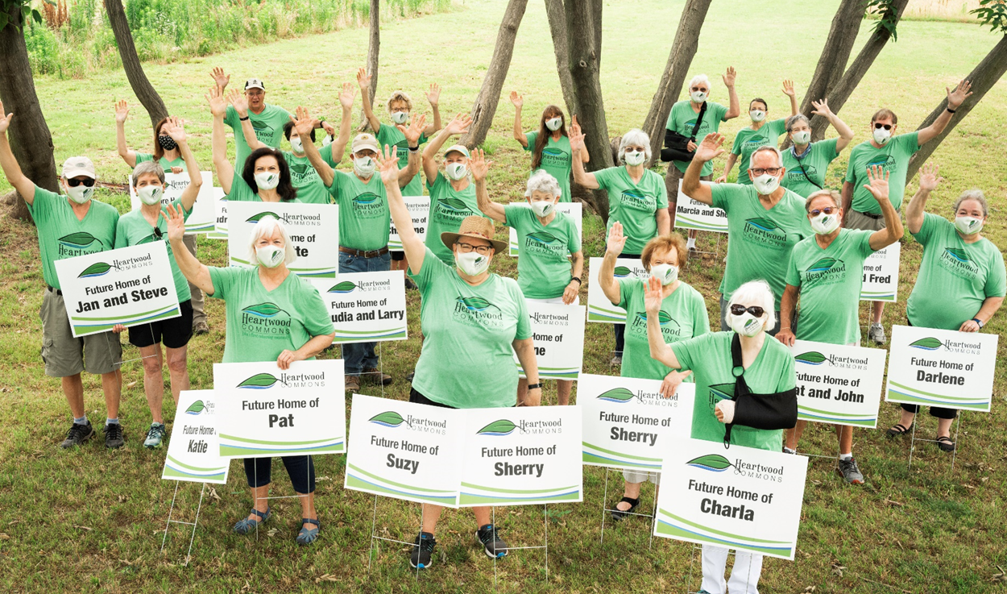
Last month we introduced Heartwood Commons in Tulsa, OK, a new 55+ cohousing community that will be ready for move-in early this year. The great news is that they still have a few homes left for sale! We mentioned that one of the advantages of joining an existing community is that you don’t need to… Read More
 Is a Facilitation Course Right for Me?
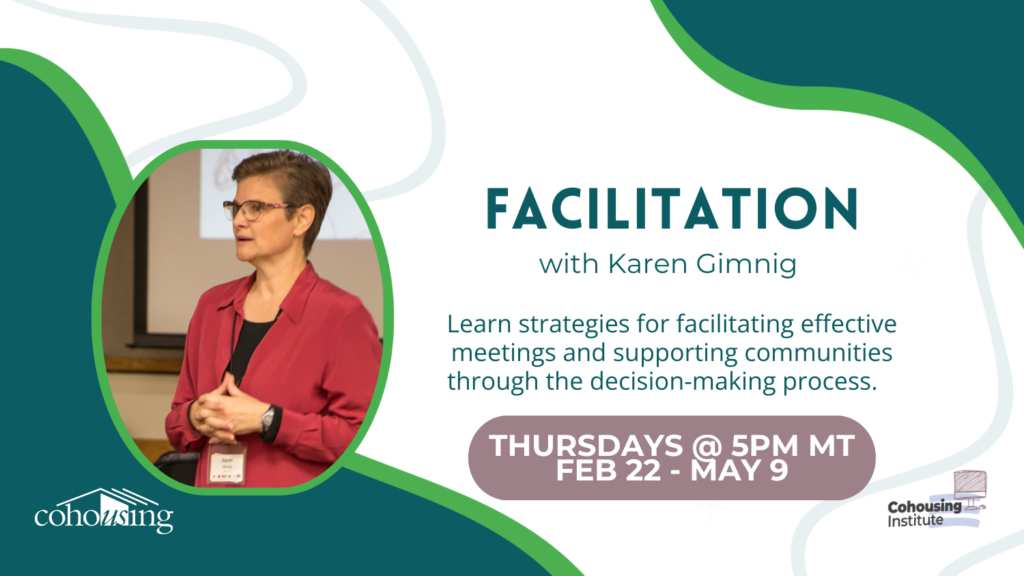
Taking a facilitation course, or any community process course, is a great gift to your community and to yourself. The skills gained can dramatically improve the experience of living in community, reducing frustration and increasing the sense of trust and connection. Thus, I consider that a facilitation course is a great idea for any communitarian…. Read More
 A new community on the cusp of completion
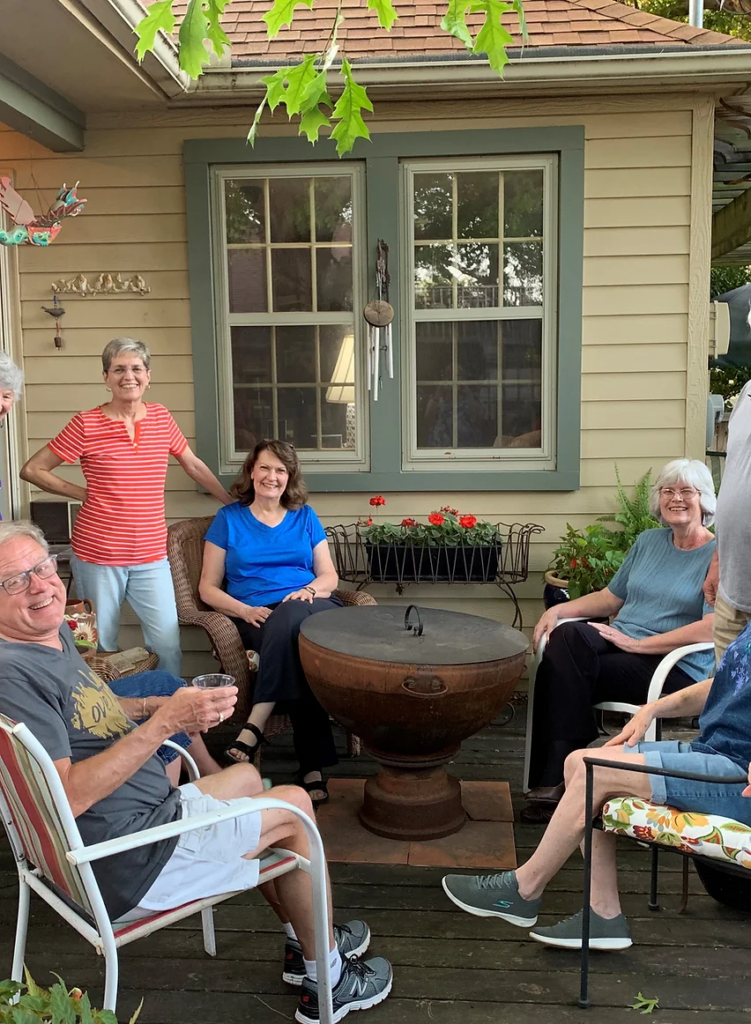
Construction of Heartwood Commons in Tulsa, OK, the newest 55+ cohousing community to be built in the nation, is almost done, and members expect to move in early this year. The great news is that they still have a few homes left for sale! One of the advantages of joining an existing community is that… Read More
 Helping our neighbors
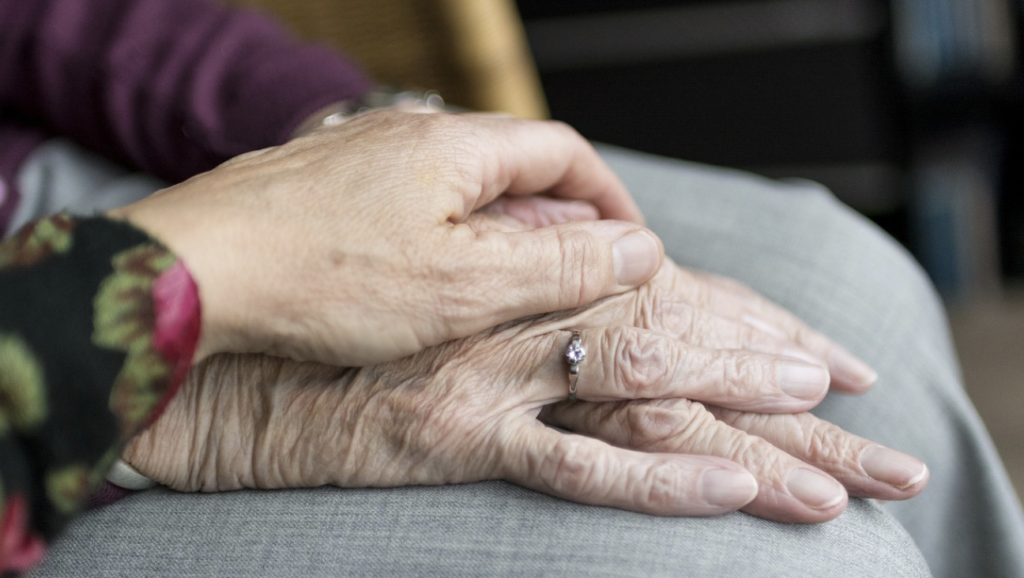
How should cohousing residents help each other as they get older or suffer age-related injuries and illnesses? This is a hot topic in senior cohousing circles, sometimes referred to as “co-caring.” The guidelines for such assistance vary by community and may be based on a written agreement or offered informally. PDX Commons in Portland,… Read More
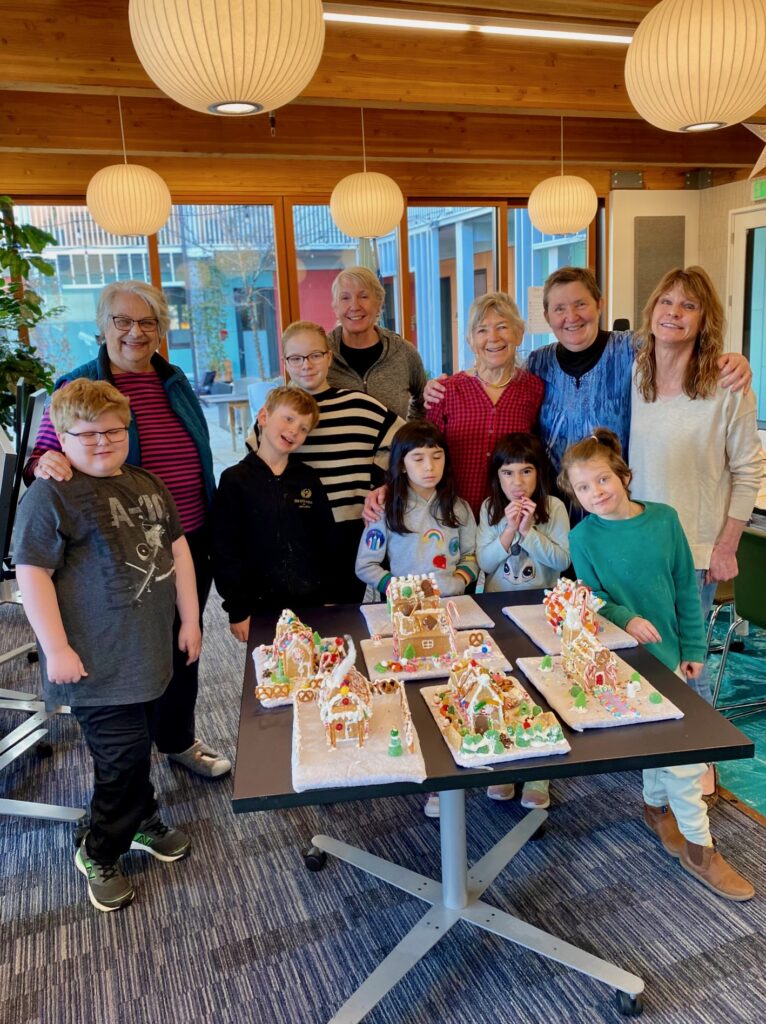 No Seniors Left Behind During the Holidays
As seniors in living cohousing, many of us may not have family or close friends nearby to celebrate holidays with. Maybe you moved across the country to live in your community, or maybe you’ve lost friends or family members. Or maybe you simply prefer the company of your fellow cohousers. One of the great things… Read More
Shepherd Village’s newsletter, the Shepherd Village Voice, ran the following article in its October 2023 issue. With their permission, we are reprinting it here as a great example of lifelong learning. Perhaps it will trigger ideas for how your community might tap into the knowledge and expertise of your members to present educational programs for… Read More
Participation is one of the most important parts of community living, especially senior cohousing. It means engaging with your community around necessary work (like maintenance tasks), community meals, committees and decision-making, fun events like celebrations, and more. Being engaged with your community is the antidote to the isolation you might feel if you were living… Read More
In 2007 Henry and Jean were founding members of Silver Sage Village in Boulder, one of the earliest senior cohousing communities in the US. In the early years Jean had been enthusiastic in recruiting new members, but her suspicion she had early-onset Alzheimer’s was confirmed at age 63 and then worsened rapidly after a fall… Read More
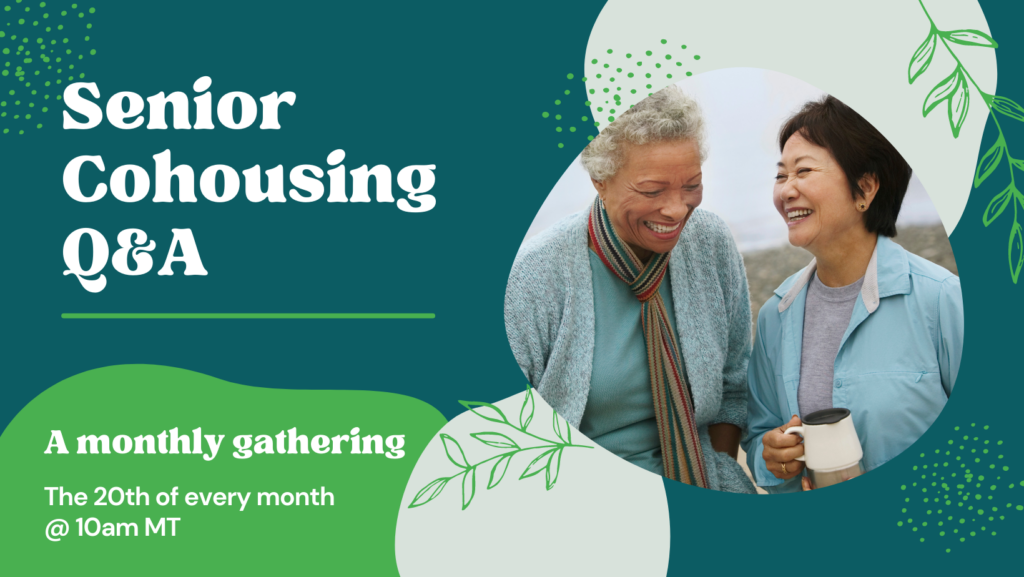 New platform for senior cohousing questions
Have you heard about the Seniors in Cohousing Q&A held monthly on Zoom? It’s a new way to get your questions about senior cohousing answered. The live sessions address all kinds of topics pertinent to seniors interested in cohousing — topics like aging in community, how to find communities or groups that are forming, participation… Read More
As seniors look for more ways to stay socially engaged, there’s a new book that can be a great resource, Building Belonging: Your Guide to Starting a Residential Intentional Community (220 pages). Yana Ludwig, the author, covers the many aspects of starting an intentional community like cohousing. For example, in Chapter 11, “Land and the… Read More
Silver Sage Village, an urban senior cohousing community in Boulder, is among the earliest senior cohousing communities in the country, opening in 2007 with 16 owner-occupied units. Ten are market rate and six are permanently affordable, plus there are now two basement apartments as rentals. At present we have 28 residents, including… Read More

© The Cohousing Association of the United States. All Rights Reserved.